Whiskey Exploration: The Maturation Process
How Whiskey is matured, basically. Here are the legal restraints over maturation for bourbon, Irish and Scotch, and then the influences a cask can have on a whiskey through maturation and ‘finishing’. Bourbon: – Aged in new charred oak containers – Made in the United States – Barreled at no higher than 125 proof/62.5% ABV…
How Whiskey is matured, basically.
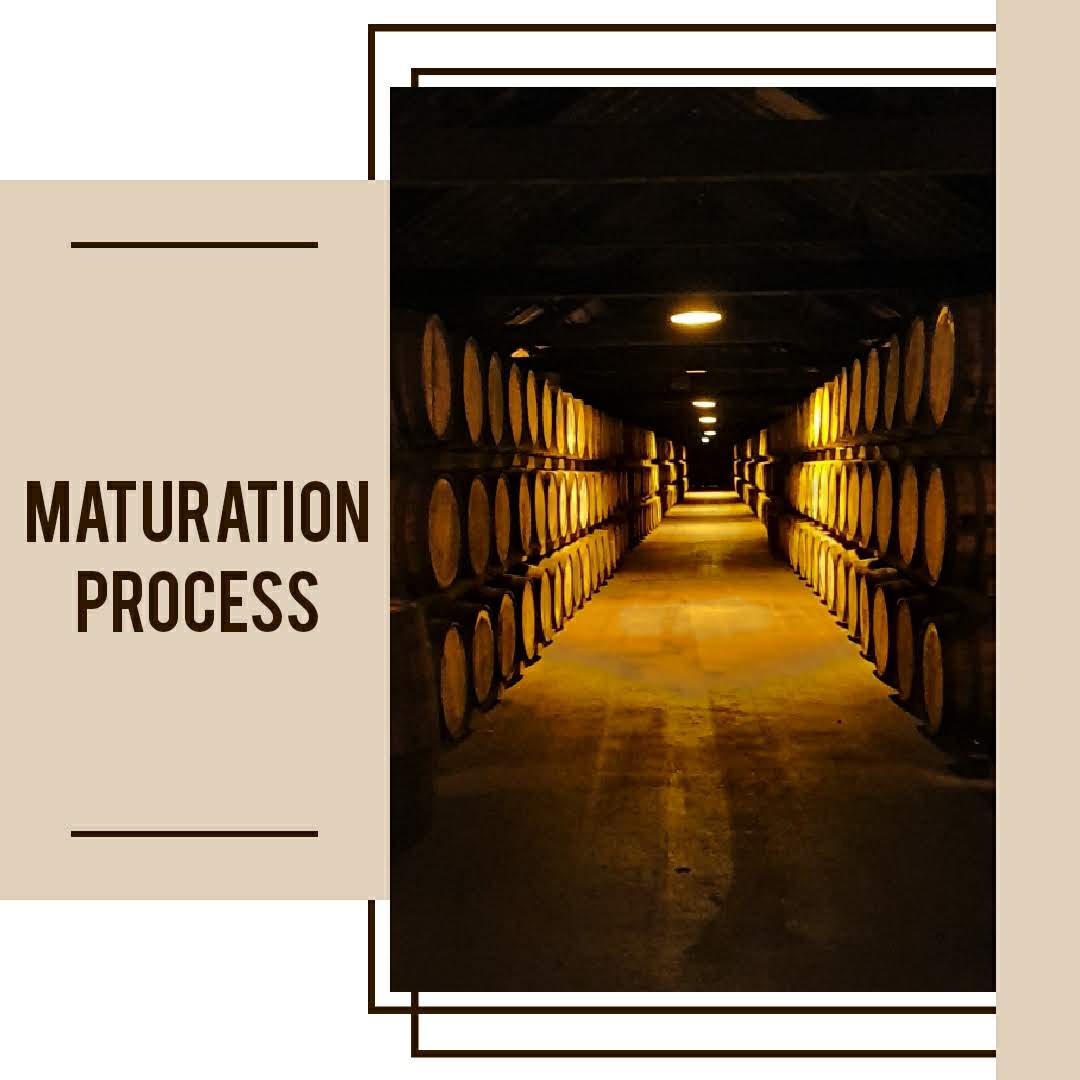
Here are the legal restraints over maturation for bourbon, Irish and Scotch, and then the influences a cask can have on a whiskey through maturation and ‘finishing’.
Bourbon:
- Aged in new charred oak containers
- Made in the United States
- Barreled at no higher than 125 proof/62.5% ABV
- Becomes Straight Bourbon if aged a minimum of 2 years
Irish:
- Aged in wooden cask not exceeding 700 litres
- Aged for a minimum of 3 years
- Aged on the Island of Ireland
Scotch:
- Aged in oak casks not exceeding 700 litres
- Aged for a minimum of 3 years
- Aged in Scotland
- Aged only in an excise warehouse or a permitted place
Fairly similar requirements. The main difference, I think, is the casks used, and bourbon can be sold much younger than Irish or Scotch.
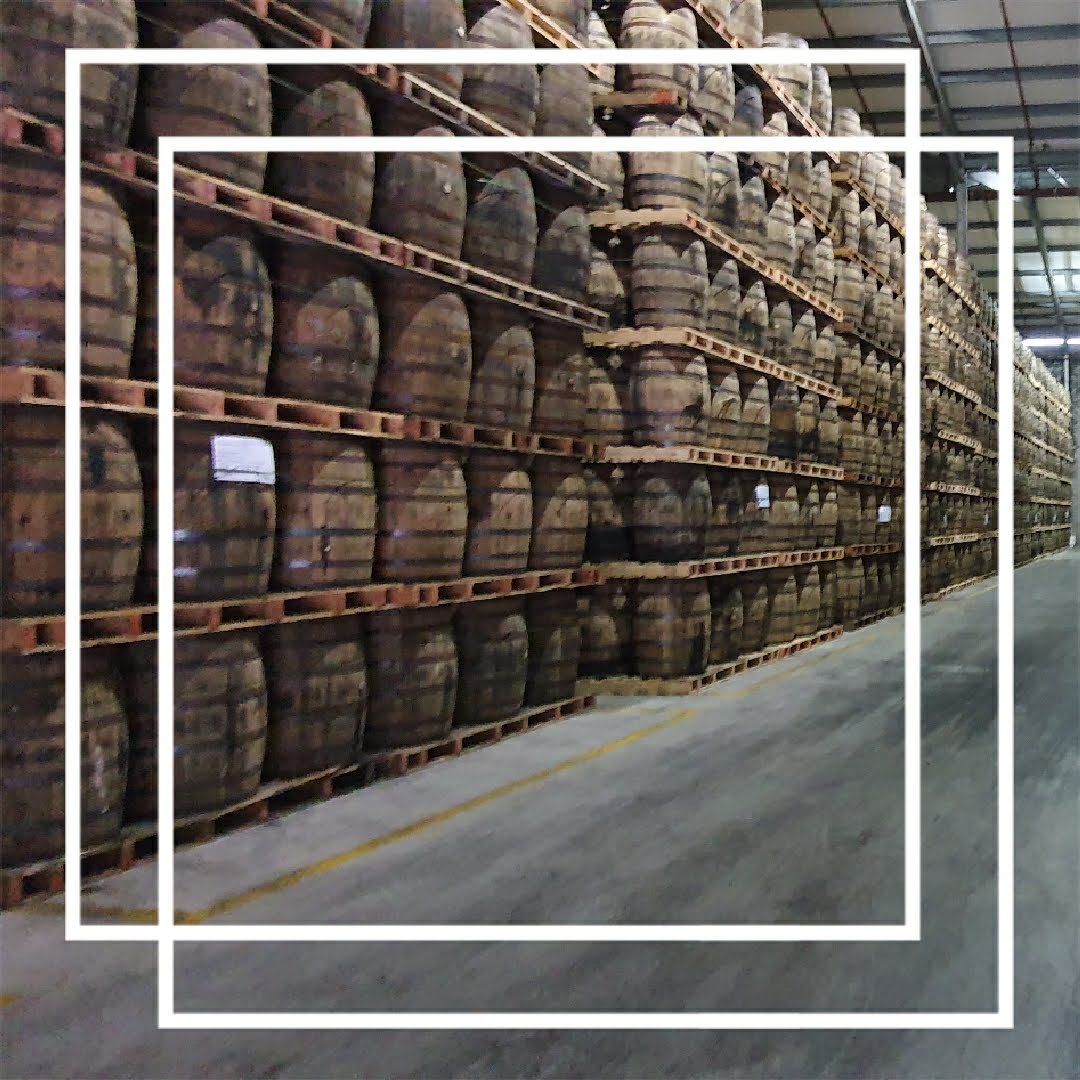
Wood Barrels
Wood barrels are extremely important to the whiskey production process. Not only do they impart flavour and colour to the whiskey, but they have to store them for years without leaking. Good wood is essential in the barrel making process, but I will go in detail of that another time. The majority of whiskey is aged in American White Oak barrels at some point. It is the most common for primary aging and imparts, primarily, a vanilla flavour on the whiskey.
Virgin Oak
New charred oak is a requirement for bourbon (usually American White Oak). Using a Virgin Oak barrel will give a stronger vanilla flavour but it will also give much more wood spice and tannins in the whiskey, there would be different flavours depending on the type of oak too, European, Mizunara, etc.
Bourbon
Bourbon, or ex-bourbon, casks would be used after the bourbon has finished aging (remember you can only use virgin for bourbon!). Historically these are shipped to Ireland or Scotland for use, and it’s very common in most distilleries there to start ageing in a bourbon barrel. It still gives the vanilla and wood spice but as its reused it isn’t as strong as it would be in bourbon. It also wouldn’t impart too much colour on the whiskey either, unless aged a long long time.
Sherry
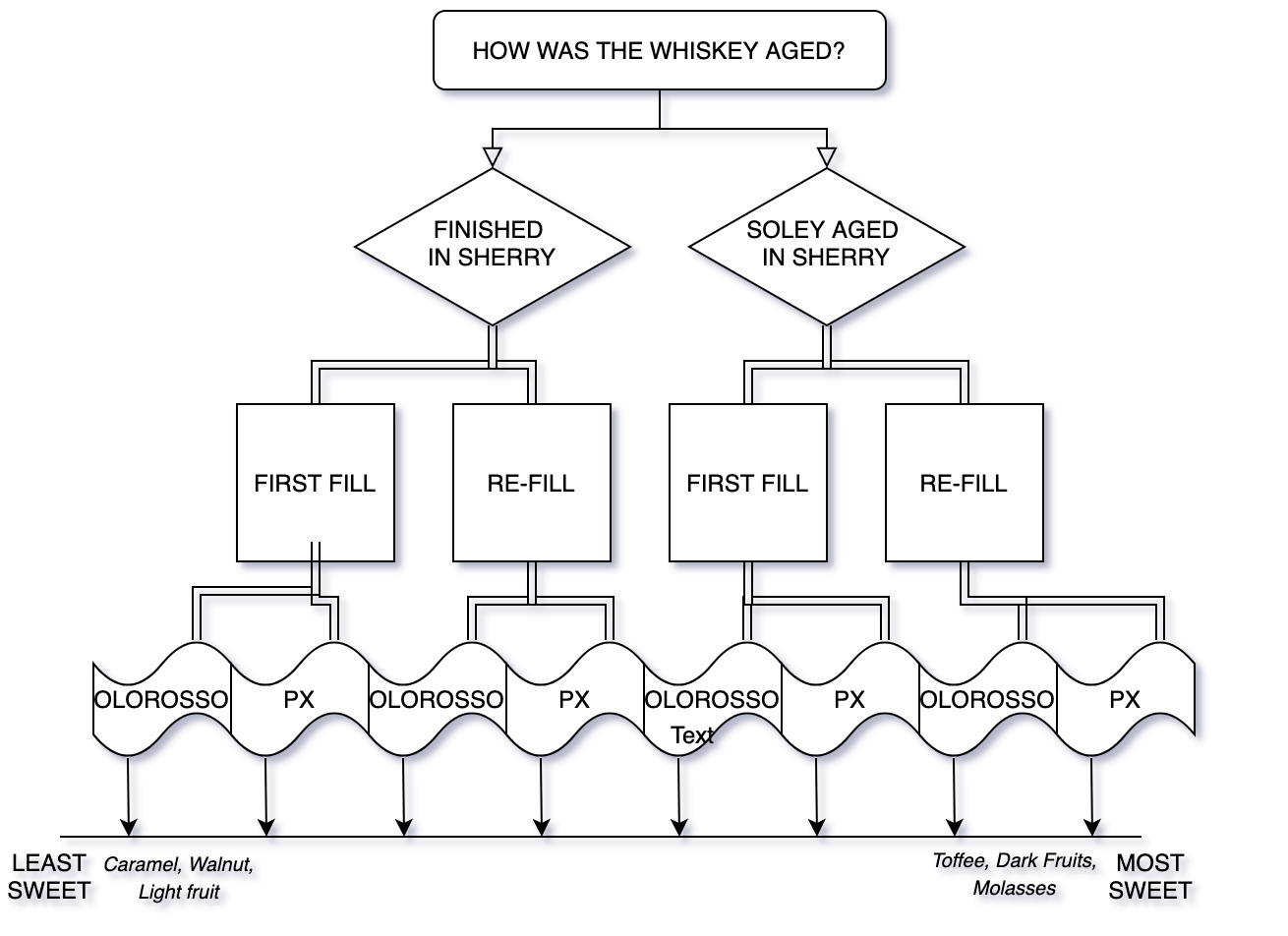
There are many different sherry varieties, historically Oloroso sherry was the predominant type for whiskey, but in recent times Pedro Ximénez has become popular. If you like sherry, or fruity tastes, this might be for you! The below flowchart will give you an idea of taste depending on the type of aging.
Madeira
The late harvest white grape Madeiras have typical flavour notes of tinned peaches, orange peel, burnt cane sugar, walnut and hazelnut oil which could impart on whiskey.
Port
Depending on the type of port, there could be a range of flavours brought in from the port. Generally it will give a dry, grape-y taste (shocker, I know) but it can also give dark fruits and caramel nutmeg kinda flavours.
Rum
Rum has quickly become a common cask to age or finish whiskey in. There are some great notes you can get from rum casks such as apricot, vanilla, dark chocolate and dried herbs.
Beer
Beer casks have become a great way for breweries and distilleries to get some cross fan exposure. Generally it’s a stout that’s put in a whiskey barrel and aged, then given back but it can be any beer, and a lot of IPA crossovers are coming out. The beauty of the beer casks is if you drink the beer the whiskey is sharing a cask with, you’re likely to pickup on the flavours you like in the beer.
Mezcal
Still quite niche, mezcal is an up and coming cask selection with JJ Corry and Killowen leading the charge in Irish whiskey and Dewar’s released the first scotch whiskey finished in mezcal. Strangely enough mezcal can give off a hint of smokiness in its flavour, along with citrus, pine and of course agave.
There are many many more casks that could be used, but these are the most common that you’d come across.
Location
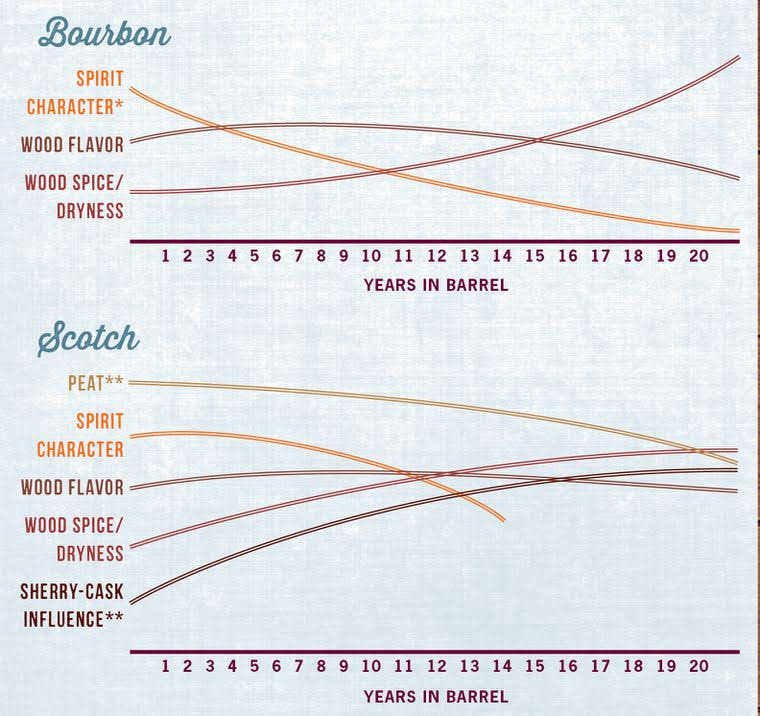
Location is going to give you a huge insight into how long you will have to age a whiskey to get the influence you want out of a cask. For example, if you were to age a whiskey in Texas, where the heat gets up to 100F/37C regularly during the summer, and stays around the 60F/15C during the winter, the wood is going to be sucking in the whiskey more than Ireland where the hottest day ever recorded was 92F/33C and there’s a consistent mild summer of 65F/17C and winter of 41F/5C which will be a much slower maturation process as the wood won’t be expanding and contracting as much.
Time
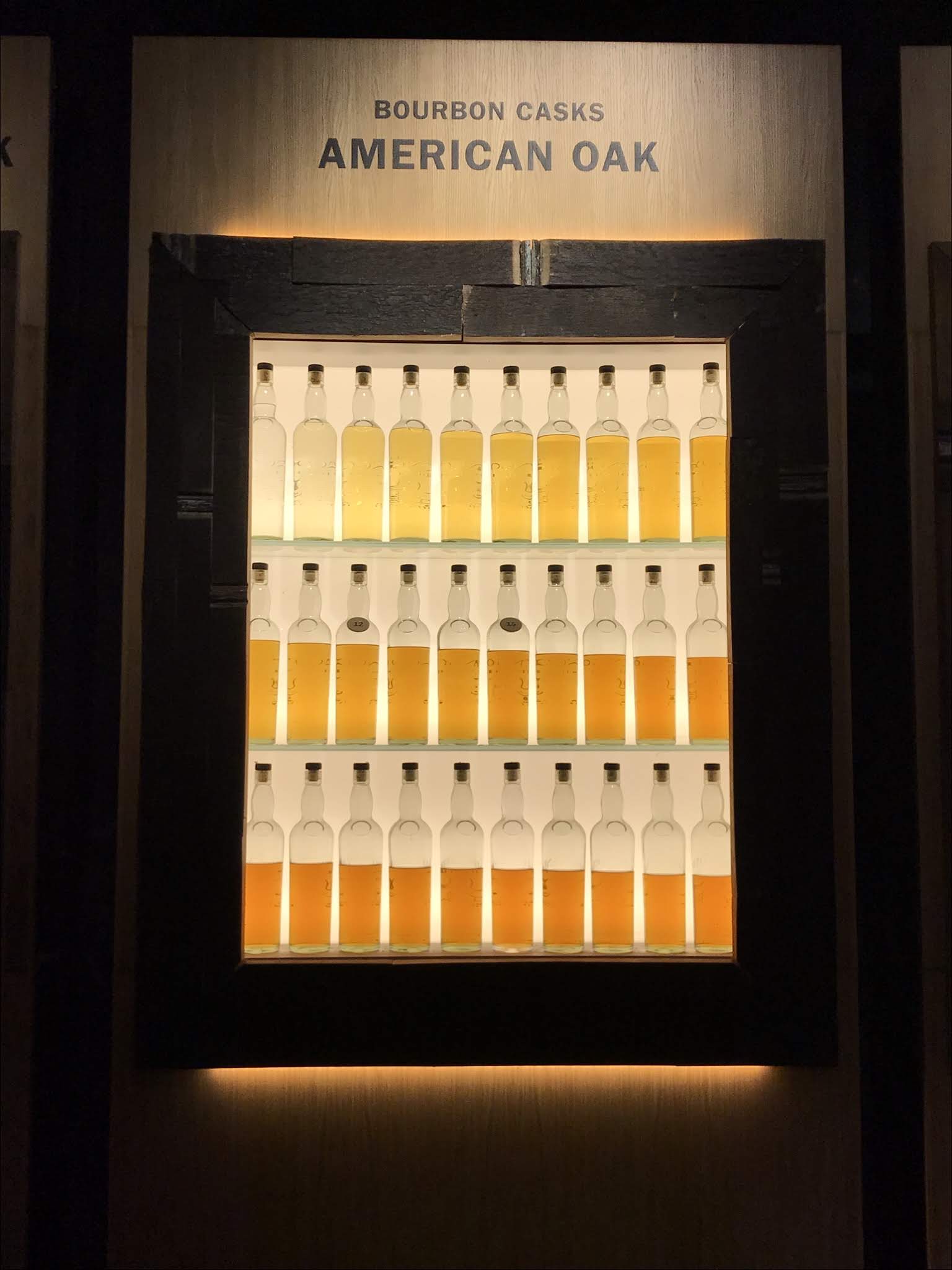
Time is not only a legal requirement, but it’s essential to allow the wood to do its thing and sand down the rough edges of the whiskey and leave us with a lovely tasting spirit.
Another thing time dictates is the ABV of the whiskey. (Generally) In hotter climates it will increase ABV over time and in cooler climates it will reduce ABV.
Barrel Entry Proof
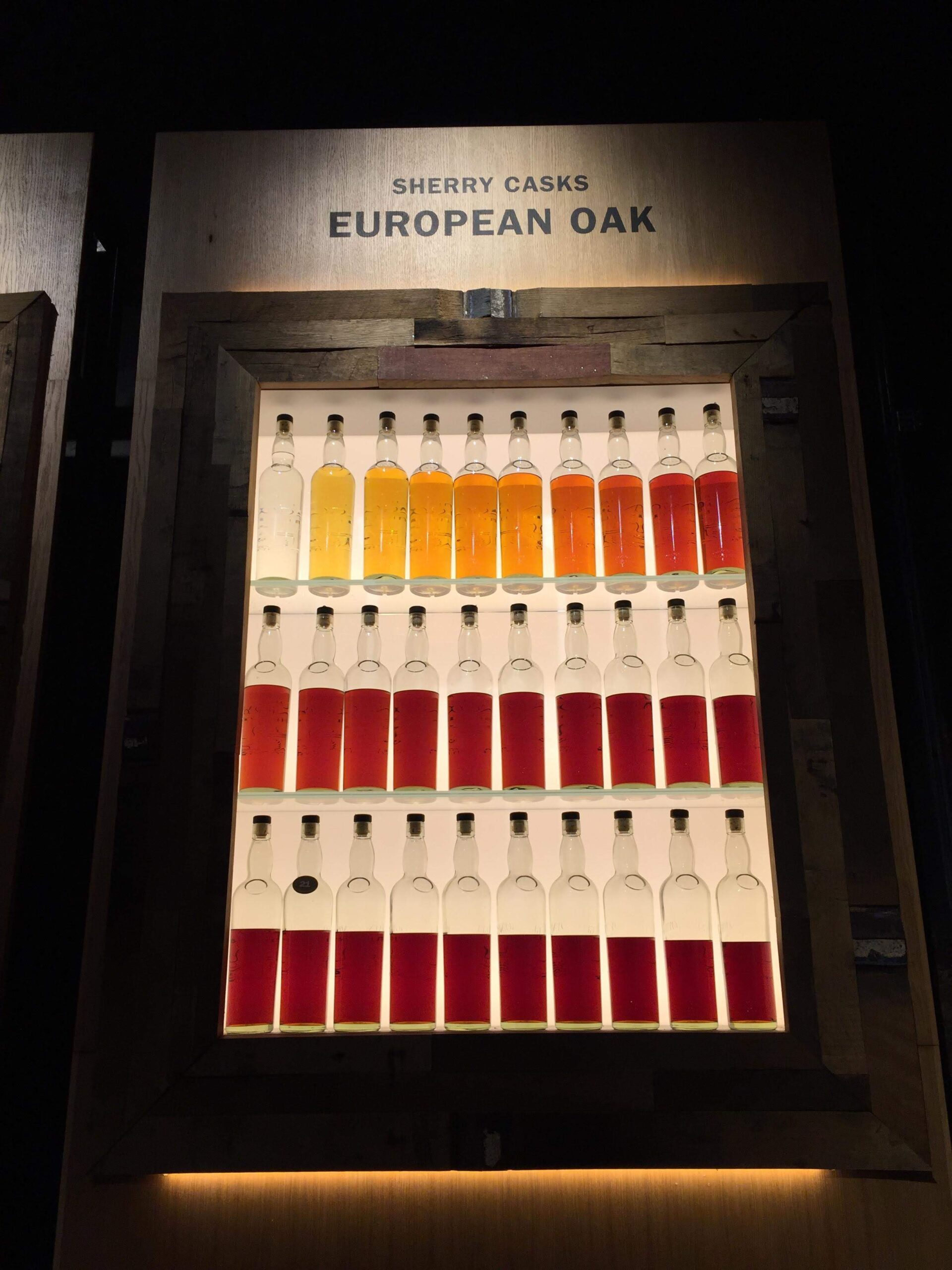
The barrel entry proof is going to dictate what it can pull from the wood. Higher proof distillate will pull more wood tannins and spice from the barrel whereas a lower proof (which has more water) will make the sugars in the wood more soluble, and bring in a sweeter, more vanilla flavours.
That’s my take on the whiskey maturation cycle. Sláinte
Follow me on Instagram, Facebook and Twitter and let me know your thoughts.
If you haven’t already, sign up to our mailing list to receive our bi-weekly newsletter :