Whiskey Exploration: Whiskey Bonding
The art of Whiskey Bonding, What is it? What whiskey bonding is, where it came from, and what the term does and doesn’t guarantee. What is whiskey bonding? No, this is not the time you spend with your whiskey while drinking it. Although it might be bonding for you, I don’t think the liquid feels…
The art of Whiskey Bonding, What is it?
What whiskey bonding is, where it came from, and what the term does and doesn’t guarantee.
What is whiskey bonding?
No, this is not the time you spend with your whiskey while drinking it. Although it might be bonding for you, I don’t think the liquid feels the same way!
Whiskey Bonding is a term used for a few different reasons across the globe.
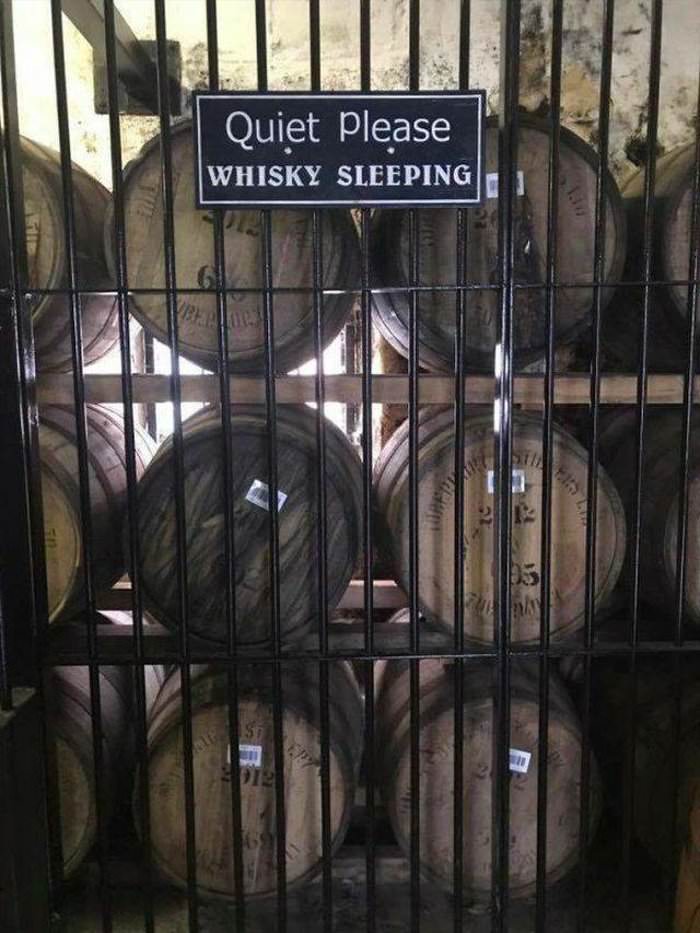
Generally it is a term used to describe the practice of holding whiskey “in bond” (duties and taxes unpaid until it leaves the warehouse) in specialized bonded warehouses.
United States of America
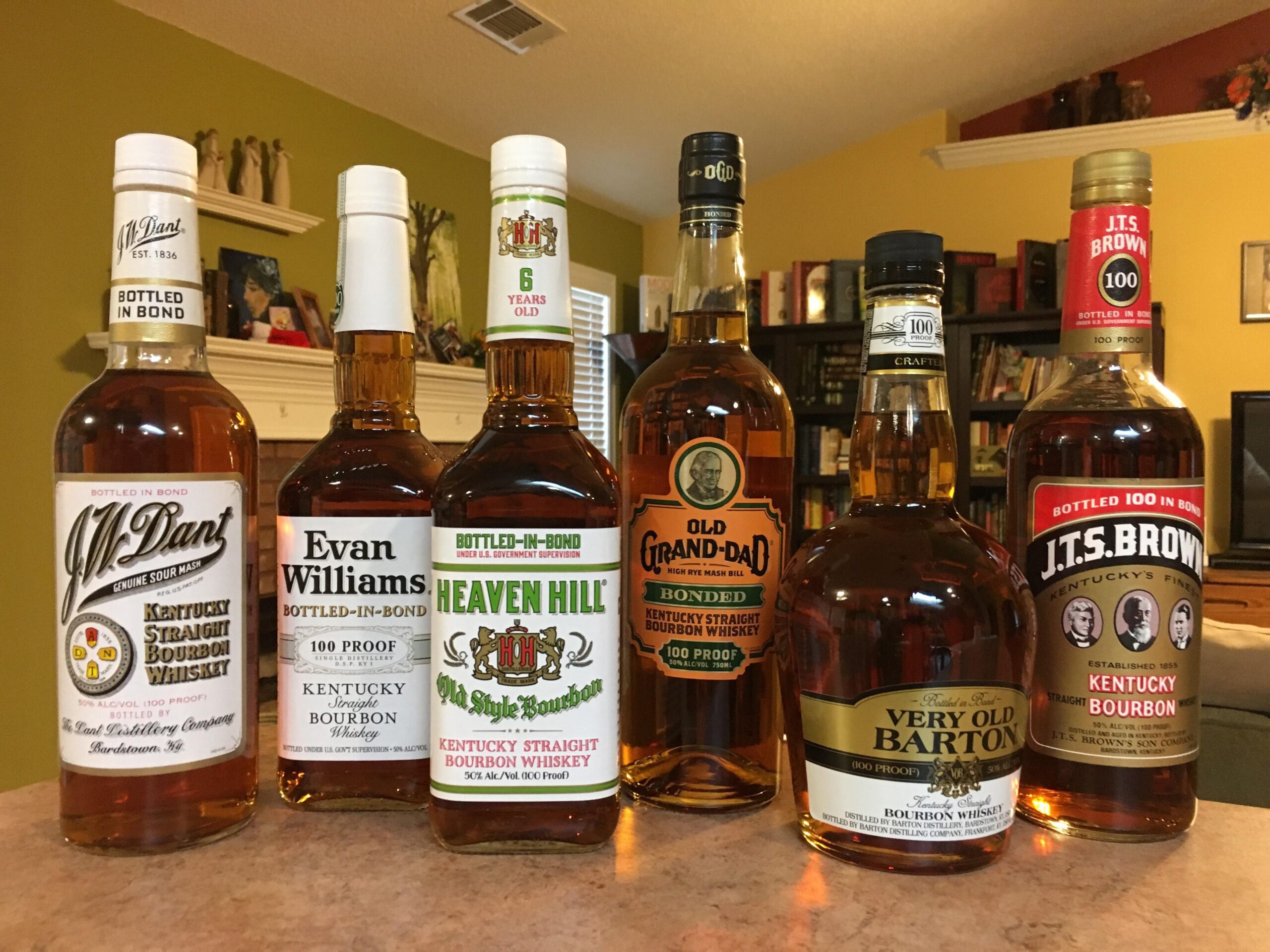
In the US there are some very strict rules around bonding (Bottled-in-Bond Act of 1897, now 27 CFR 5.88):
* 100% of the liquid must have been distilled in the same distilling season (January-June or July-December).
* That distilling must have been done by a single distillery.
* Aged for a minimum of 4 years in a federally bonded warehouse.
* Bottled at 100 proof (50% ABV).
* The label must clearly state the distillery who made it.
* If it was bottled at a location other than the distillery it must also clearly state its bottling location.
* Cannot have anything other than water added to the liquid.
These protect the integrity of the term ‘Bottled in Bond’, and it came about for good reason.
Back in the late 1800s whiskey was sold by the barrel, rather than by the bottle, to wholesalers. This gave an opportunity to other companies outside of whiskey distilleries to craft whiskey from neutral grain spirit, like vodka, and blend or finish the spirit with artificial flavors or additives to create or stretch the whiskey as much as possible to get the cheapest possible price. This undercut the real distillers of whiskey, most of which were from Kentucky and led to the act being brought in to fight the practice.
There has been a resurgence of the bottled in bond in recent times, mainly due to the fact there is a high demand for higher alcohol whiskey (mostly cask strength demand) and the bottled in bond gives the consumer that higher ABV (50%) at a great price.
Ireland
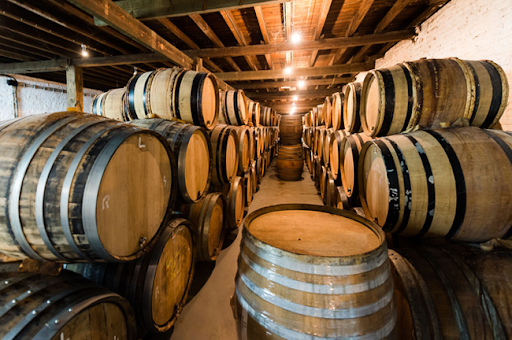
In Ireland, the use of being a bonder is not protected per se. One could rent a space in a bonded warehouse, and use the term as a marketing trick ‘in homage’ to the rich bonding history Ireland had.
Up until the 1930s most distilleries in Ireland did what they knew best, distilling. They weren’t bothered about maturation or bottling, and they didn’t think of their distillery as a brand. This presented a lot of shops and businesses around Ireland an opportunity to take whiskey spirit, mature and bottle it themselves to offer to their customers. It was very rare to see a distillery bottle and sell their own product, but they did provide the bonders with labels which would say the name of the distillery on it,but it was not a requirement to use it.
Although the freedom offered to bonders was great, and they could produce some great whiskey, using different casks, different aging and different temperatures. It did lead to confusion over where the whiskey was from when bonders didn’t say where they got their product, the difference from one bonders aged spirit from distillery x and the same spirit from a different bonder tasting completely different. There was a lack of education around the different processes that could be used to influence the whiskey.
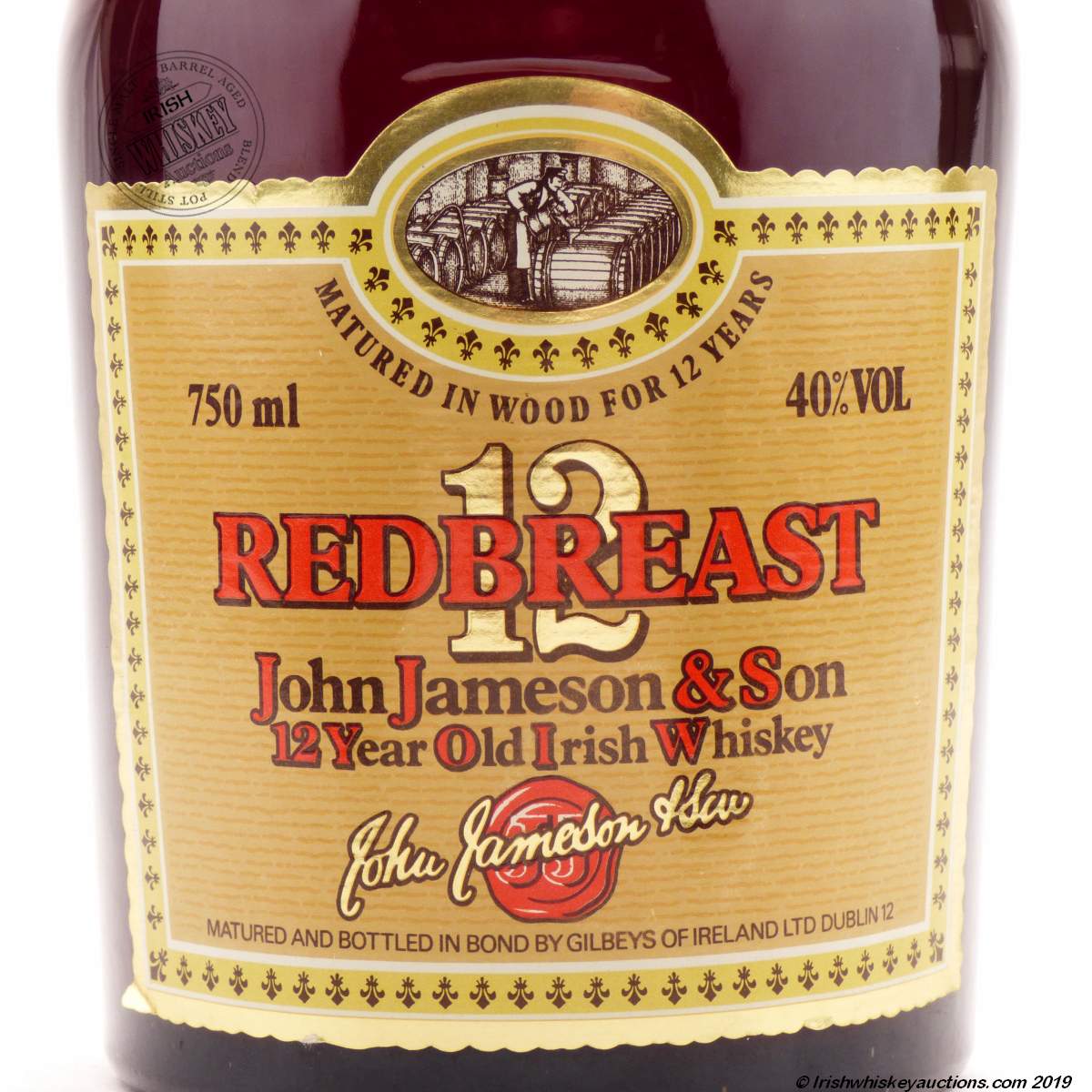
However, some of the prominent brands today stood the test of time and are from bonders back then, such as RedBreast, a brand from a wine merchant called Gilbeys who took the sherry butts they imported sherry in and aged spirit from the Jameson Distillery in Bow Street in them. Another example would be The Spot range such as GreenSpot which was created by Mitchell and Son who also went into the wine merchant business, and filled up ex sherry barrels with Jameson distillate.

When the Irish whiskey industry came to its knees as a result of multiple economic factors including prohibition, Irish Anglo trade war, Irish War of Independence, the 2 World Wars to name a few, all of the Irish Whiskey distilleries banded together to form Irish Distillers and in the process eliminated the step of selling their product to bonders, so they could take control of the process to produce consistent flavor from their brands.
Resurgence of Bonding
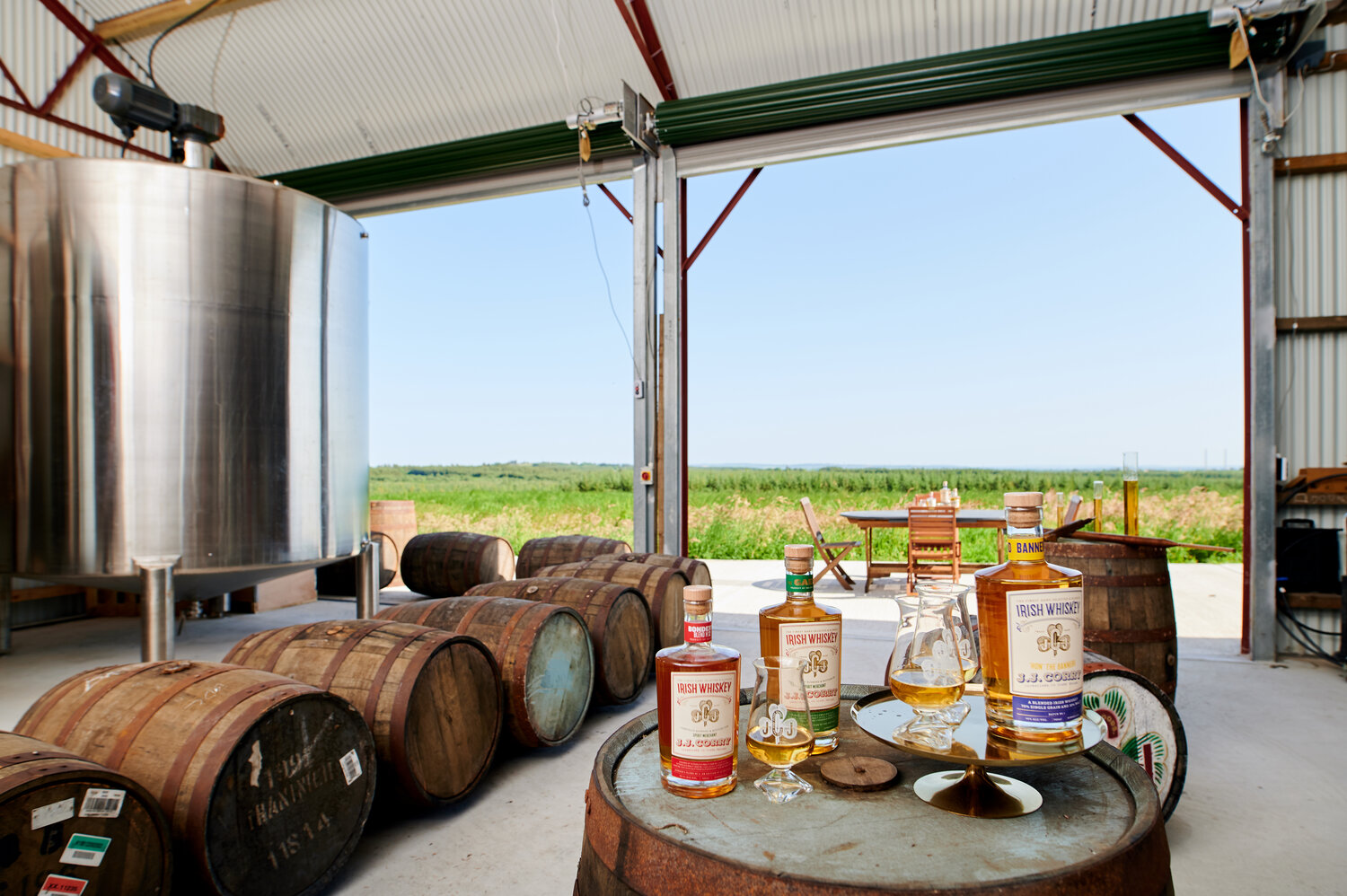
In the modern age, there is only 1 true Irish Whiskey bonder which is Chapel Gate’s JJ Corry brand in Co. Clare, named after a whiskey bonder whose business was not too far from the Chapel Gate rack-houses. They are extremely transparent about their process and what goes into the bottle and have said time and time again they would never distill their own product, they are 100% in on the art of bonding whiskey, taking distillate from other distilleries, maturing them and creating bespoke blends from distilleries around Ireland. Louise McGuane, the founder of Chapel Gate, said in a blog post online in 2018 that there are at least 3 other entrepreneurs looking to take a crack at the whiskey bonding industry, so it is definitely a good time for us to define what whiskey bonding should mean in Ireland. Here’s what Louise thinks:
Our business model and definition of Bonding stands for the following:
- We are a Revenue Verified Irish Whiskey Maturation Facility
- We do NOT distill our own spirit
- We source casks with particular flavor profiles
- We source spirit from distilleries
- We match cask to spirit
- We mature it in our own controlled bonded warehouse and oversee the maturation process
- We blend it and bottle it on site
- In the case of mature whiskey releases WE SOURCE LIVING CASKS NOT BULK INERT WHISKEY and we blend and bottle on site
I’d like to see bonding become a protected term, to protect the history and art of it.
Sláinte.
Follow me on Instagram, Facebook and Twitter and let me know your thoughts.
If you haven’t already, sign up to our mailing list to receive our bi-weekly newsletter :