Whiskey Exploration: How Irish Whiskey Is Made
How Irish Whiskey is made, basically. Irish whiskey can be dated back as far as 1405, about 90 years before the first recorded Scotch (1494). It used to be a highly coveted commodity, with over 200 licensed distilleries back in 1790. Then came a big downturn at the turn of the 20th century: Ireland’s struggle…
How Irish Whiskey is made, basically.
Irish whiskey can be dated back as far as 1405, about 90 years before the first recorded Scotch (1494). It used to be a highly coveted commodity, with over 200 licensed distilleries back in 1790. Then came a big downturn at the turn of the 20th century: Ireland’s struggle with British rule and the war of independence, American Prohibition, and the first World War. Distilleries fell off one by one, eventually leaving 3 (Jameson, Powers and Cork Distilleries) who merged in 1966 to form Irish Distillers, later consolidating production at Midleton. Because of that downturn, and the lack of traceability back to these silent distilleries, we don’t know the exact mashbills of all previous Irish whiskey, or Uisce Beatha (Water of Life). It’s a highly debated topic that the 2014 Irish Whiskey Technical File is a misrepresentation of Irish whiskey ingredients, specifically for Irish Pot Still. That aside, Irish whiskey really boils down to three main ingredients: water, grain and yeast. Typically the grains used in Ireland are maize and barley, but it can be any cereal grain in the mash bill.
So how do we turn those 3 ingredients into whiskey?
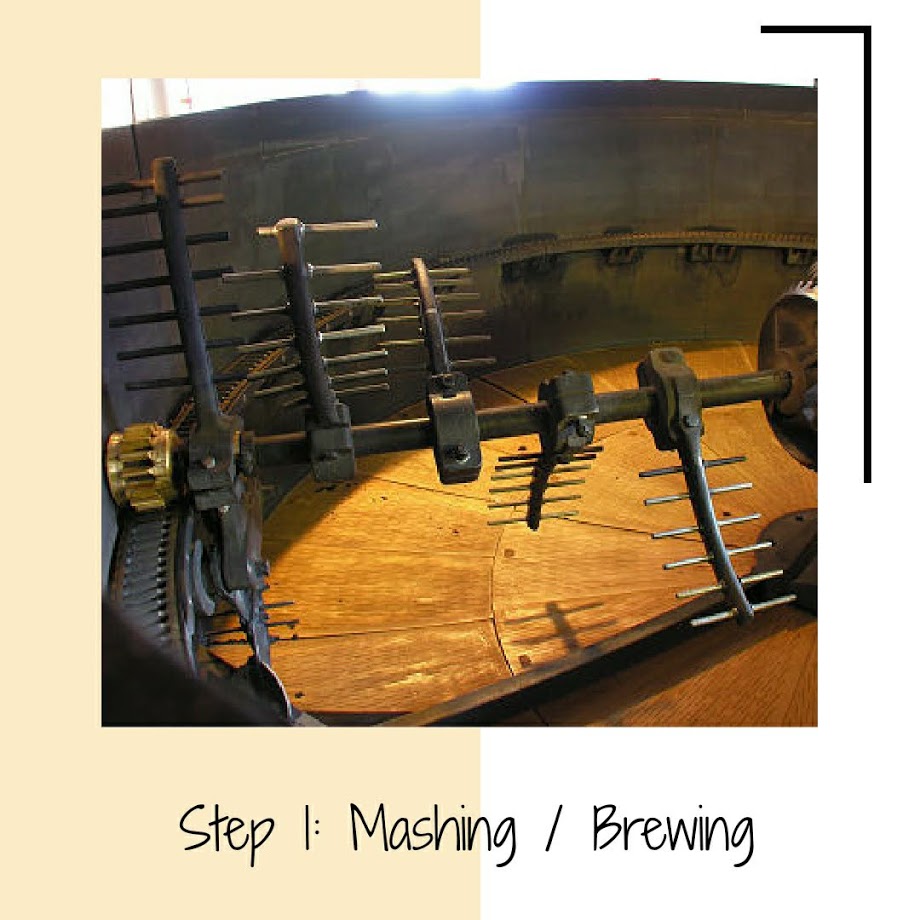
Mashing/Brewing
The first step involved in whiskey making is extracting the sugars from the grain to be used as food for the yeast during fermentation. How is this done? The grain needs to be crushed into a coarse flour that is called grist. Once the grist is made, it’s brewed with hot water, like making tea, which causes the starches in the grain to turn to sugars. (Science!) Once the brewing has finished the liquid produced is called ‘wort’ and it’s moved along to a fermentation vessel.
Fermenting
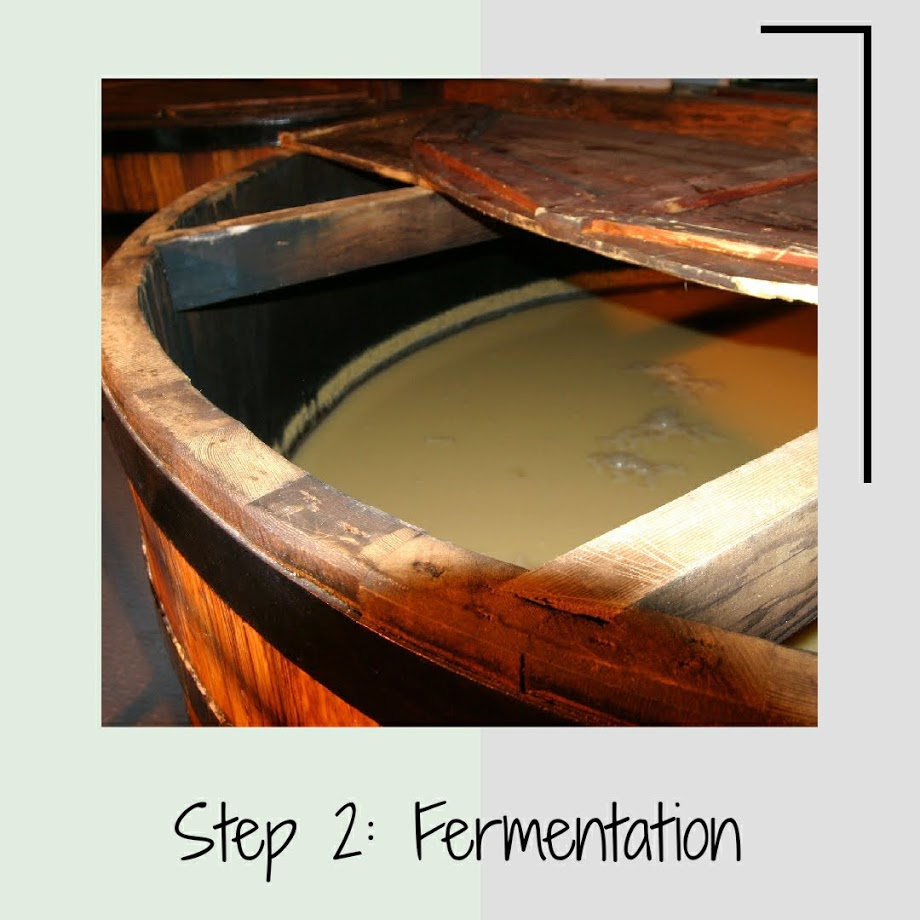
When the wort is settled in the fermentation vessel, and at the correct temperature, yeast would be added. The strain of yeast is quite important, but it differs for each distillery. You could take the same wort and put in two different yeast strains and it would produce 2 different ‘washes’. Noel Sweeney, Master Distiller of Fercullen, said in a recent Grains of Wisdom webinar that they have a supplier for yeast who protect the genetic makeup of their yeast to ensure that strain is consistent, which enables them to use the same yeast strain across all batches and it promotes consistency across washes, and therefore their whiskey. Some other distilleries would re-use yeast from other batches to try keep consistency, but the yeast can mutate as it grows which would give different flavours for each batch. After the fermentation process takes place and the yeast has turned all the sugar it can into alcohol, it’s then called a wash, which is generally about 7-8% ABV.
Distilling
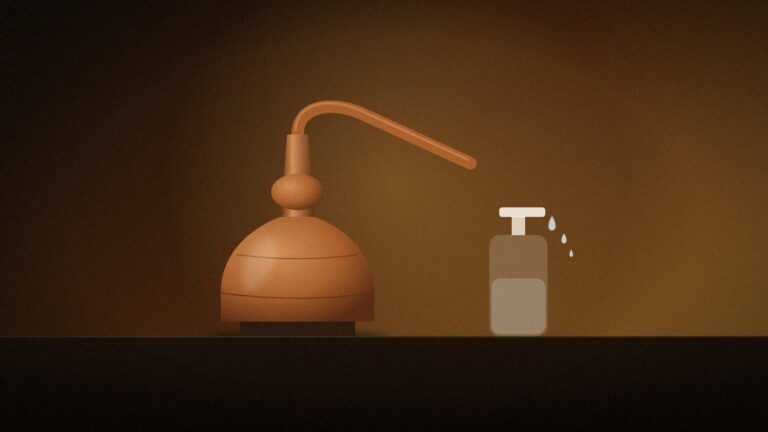
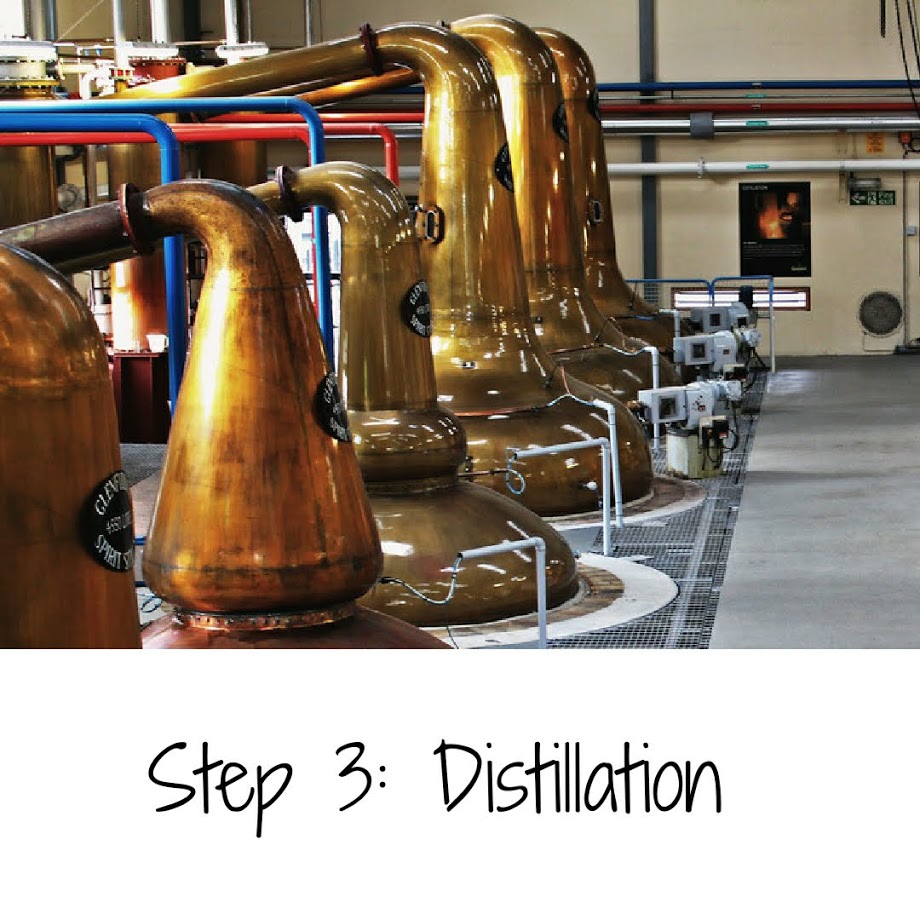
Distillation is the extraction of spirits in the wash. Traditionally Irish whiskey was distilled in a copper pot still. Most distilleries still use this approach, or mix in some column stills. There is a common misconception that the spirit has to be triple distilled to be Irish whiskey. It can be double or triple distilled in Ireland depending on the distiller’s preference and desired taste profile. Cooley was probably the most famous double-distillation distillery, producing Connemara and Kilbeggan. The art and skill of distillation in my opinion comes from making the ‘cuts’. At a top level there are 4 cuts, foreshots, heads, hearts and tails.
The foreshots generally have little ethanol in them and not something you’d want to drink! This is what comes off the still up to about 80 C/175 F .
The heads come next, they’re usually the highest ABV coming off the still at around 80%, (a generalisation, dependent on the distillation process).
The hearts are where we want to be, they’re usually coming off the still at 91 C / 196 F in and around 60-65% but can fluctuate depending on the taste you’re chasing.
The tails are the last part, which comes quite quickly after the hearts in terms of heat, at 95 C / 203 F.
Most of the time, the heads and tails are reused in the next wash to take any extra hearts they can. Although I have some hard numbers in here, the best cuts are always gonna be from taste and smell depending on what the distiller wants from the wash.
Maturation
The longest part of the process, and what really makes ‘Irish Whiskey’, seeing as it needs to be aged at least 3 years in a wooden cask (not exceeding 700 litres) to be legally called Irish whiskey. Typically, Irish whiskey is aged in ‘ex-bourbon’ casks, or ex sherry casks. However, the definition of what Irish whiskey is leaves a lot of room for innovation which has led to some distilleries exploring different casks such as port, madeira, European oak, rum and even tequila casks.
The length of time spent in the barrel is probably, what most would consider, to be the most important influencer of quality of the whiskey. It’s generally believed and agreed that the longer the whiskey spends in the cask, the ‘smoother’ it will taste, and it will become more complex with different subtle aromas and flavors. These can also be influenced by the different stages outlined above.
As the whiskey is maturing it will go through the seasons expanding in the heat and contracting in the cold, letting the whiskey interact with the wood, due to the Irish climate, the whiskey generally reduces in ABV over time in comparison to our counterparts in Kentucky(KY) or Texas, where the ABV increases. Although we might lose a couple of percent in alcohol, the so called ‘Angel Share’ (lost whiskey) is much lower in Ireland at an average of 2-3% per year compared to 4-10% in KY!
Once the steps above are complete, it can be dumped, bottled and sold as Irish whiskey, and then we get to enjoy it. Sláinte
Follow me on Instagram, Facebook and Twitter and let me know your thoughts.
If you haven’t already, sign up to our mailing list to receive our bi-weekly newsletter :